The Importance Of Regular Vet Visits For Senior Pets


As our pets age, they become an increasingly important part of our lives. They're there for us through thick and thin, providing constant comfort and affection as our faithful companions. But just like us, as our pets age, their needs evolve and they require more attention. That's why regular vet visits for senior pets are a vital part of maintaining their health and well-being.
Focus on your pet's health care — not on how much it costs.
In this article, we'll explore the importance of routine vet visits for senior pets. We'll begin by discussing the aging process in pets and what you can expect during a vet visit. Then, we'll look at the benefits of regular geriatric exams and share some guidelines for how often you should take an older dog or cat in for a veterinary checkup.
Whether you're a seasoned pet parent or new to the world of geriatric pet care, you'll find valuable insights to help navigate these special years with your furry friend. So, let's dive in and learn more about this important topic.
Table of Contents:
Understanding the Aging Process in Pets
Before delving into the specifics of geriatric veterinary care, it's essential to understand when a pet is considered a 'senior' and the typical changes you may observe as your pet matures.
When Is a Pet Considered a Senior?
The age at which a pet is considered a senior varies, primarily depending on its size and species. Cats are generally considered senior at around 10 years old. Senior status in dogs is a little more complicated, as it depends on size, with larger dogs aging more quickly than smaller breeds. This means that some dogs can enter their senior years as early as six to seven years old, while others may not reach “senior” status until they're over 10.
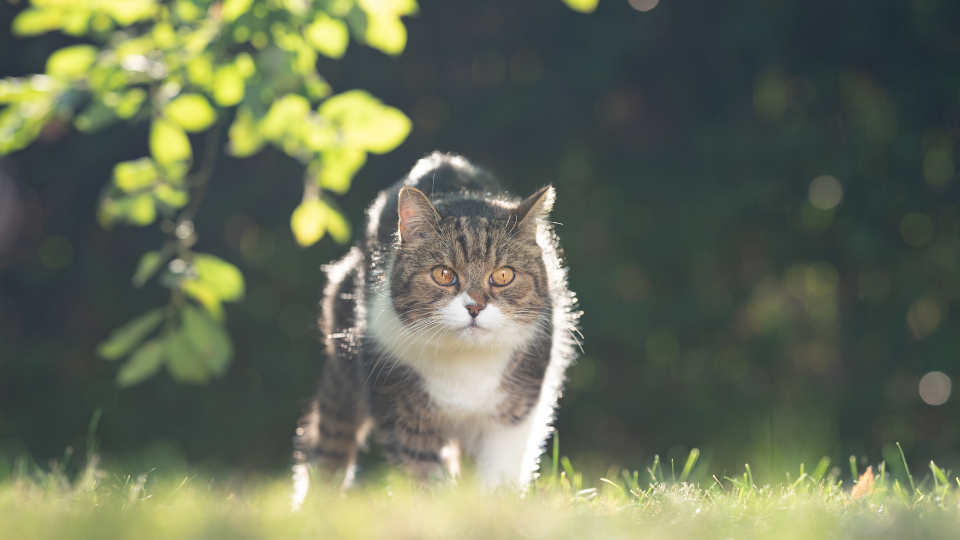
Cats are considered to be "seniors" around age 10, while some larger dog breeds reach senior status as soon as 6 years old.
Signs of Age in Pets
As pets show signs of age in their late life, you may notice certain changes in their energy levels, behavior, and dietary needs. For instance, they may slow down, opting for leisurely strolls instead of rambunctious play, or they might sleep more than usual. Their appetite may change, requiring a diet with different nutrient compositions tailored to their age. Behavioral changes can also occur, including increased irritability or confusion.
In addition, senior pets are more susceptible to various health issues. Arthritis, dental disease, heart disease, kidney disease, and even cognitive dysfunction (similar to dementia in humans) are some of the more common conditions seen in senior pets.
What to Expect During a Vet Visit for Senior Pets
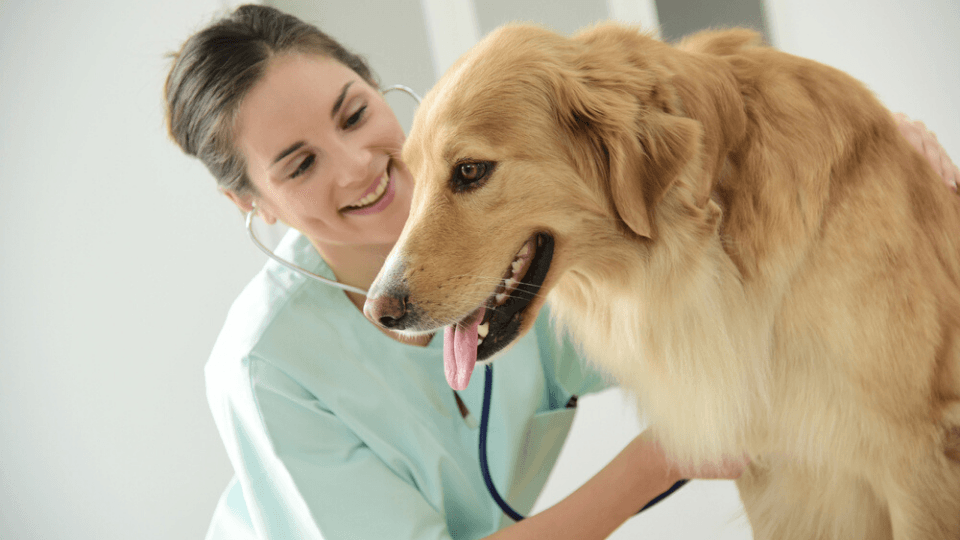
Visiting the vet with a senior pet may be a bit different from the appointments you're used to with a younger pet. As your pet ages, their healthcare needs change, and so do the evaluations and procedures performed by your vet. Here's a quick breakdown of what you can expect at a geriatric appointment.
- Comprehensive physical examination: Your vet will conduct a thorough physical exam that includes checking your pet's eyes, ears, teeth, and weight, and listening to their heart and lungs. They'll also feel your pet's abdomen and joints for any abnormalities.
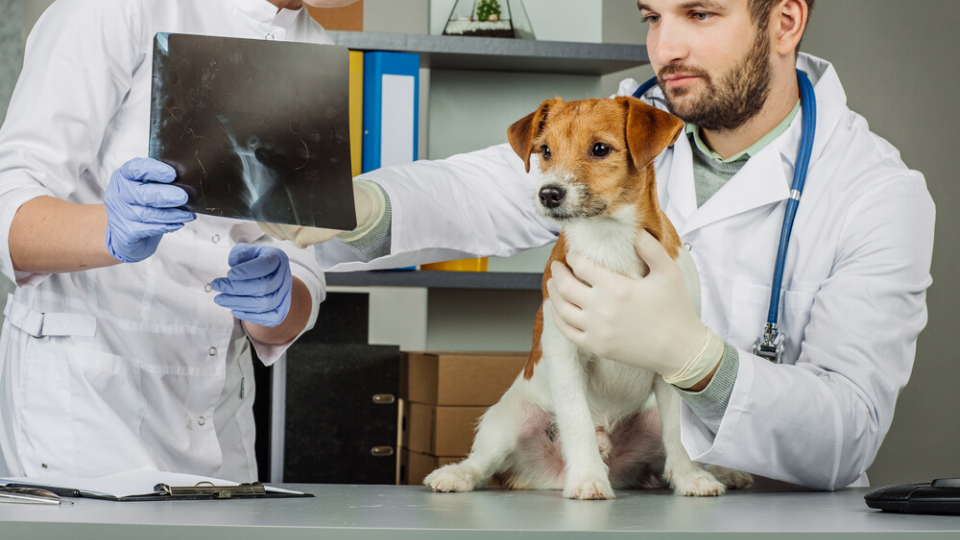
- Diagnostic tests: Depending on the results of the physical exam, your vet may recommend blood work, urinalysis, or even imaging such as X-rays. These tests screen for potential issues that may not be visible from the outside, such as kidney disease or arthritis.
- Diet, exercise, and behavior discussion: You'll have a chance to discuss any changes you've noticed in your pet's behavior, activity levels, and appetite. Your veterinarian may provide advice on diet modifications or exercise regimens suited to your senior pet's needs.
The goal of these visits is to detect any age-related illnesses or conditions as early as possible, so treatments can be started immediately before they become more serious. Your vet will also provide preventive pet care advice to help keep your furry friend in the best shape possible.

5 Key Benefits of Regular Vet Visits for Senior Pets
Senior pets, much like aging humans, can benefit tremendously from regular health check-ups. Regular vet visits are an essential part of keeping your pet healthy and comfortable as they age – and are extremely important for preventative care. Here are five key benefits of regular vet visits for senior pets:
- Early detection of health issues: If caught early, many health issues can be managed effectively to maintain a good quality of life. Regular vet visits allow for early detection of potential problems like heart disease, kidney disease, or cancer, often before your pet shows any symptoms.
- Ongoing management of chronic conditions: If your pet has a chronic condition like arthritis or diabetes, routine vet visits are crucial for ongoing management. The vet can monitor your pet's condition and adjust medications or treatments as needed.
- Assessment of weight and nutritional needs: As your pet ages, their dietary needs change. Regular vet visits provide an opportunity to monitor your pet's weight and assess their nutritional needs. Your vet can recommend dietary changes or supplements to ensure your pet is getting the necessary nutrients.
- Evaluation and adjustments of exercise routines: Senior pets may not be able to handle the same level of physical activity as they did in their younger years. Regular vet visits can help evaluate your pet's ability to exercise and recommend adjustments to their routine to keep them fit without causing harm.
- Regular dental checks: Dental health is critical for pets at any age, but especially so for seniors. Timely dental checks can help prevent dental disease, which, if left untreated, can lead to other serious health issues.
How Often Should Senior Pets See the Vet?
Knowing the benefits of regular vet visits is one thing, but how often should your senior pet actually visit the vet? While the precise frequency can vary based on your pet's individual health needs, there are some general guidelines that can help you plan these important visits.
Typically, it's recommended that senior pets see the vet at least twice a year. These biannual check-ups are a preventive measure aimed at catching potential health issues early on. In comparison, younger, healthy pets usually require only an annual wellness exam.
Caring for senior dogs and cats is a journey filled with love, compassion, and a few extra considerations to allow for the fact that they're no longer in their younger years. Regular vet visits form a vital part of ensuring their comfort and health during their golden years.
Senior pets should visit the vet at least twice per year for geriatric screening.
The Role of Pet Insurance in Senior Pet Care
Though visiting the vet more frequently can add up in cost, pet insurance for older pets can be a valuable tool to lower expenses — so long as your companion is enrolled in a policy before their health deteriorates and issues arise, as any condition that exists prior to enrollment will be excluded from insurance coverage. Pet health insurance can provide a safety net for a range of potential health issues that your pet may encounter in their golden years, ensuring they receive necessary treatments without delay due to cost constraints.
From routine care to more serious conditions, pet insurance offers peace of mind knowing that your furry friend's future health needs will be covered. That way, you can focus on giving your best fur-rend the essential care they deserve, rather than worry about how much it will cost.
Learn more about how pet insurance can help you save money on geriatric care for pets..
Key Takeaways
- Cats are generally considered senior at 10 years old. Seniority in dogs depends on breed and size, with larger dogs aging more quickly than smaller breeds.
- Senior pets often experience changes in energy levels, behavior, and dietary needs. They may also be more prone to health issues such as arthritis, heart disease, and kidney disease.
- A vet visit for a senior pet usually includes a comprehensive physical examination, possible diagnostic tests, and a discussion about diet, exercise, and behavior.
- Regular vet visits for senior pets offer benefits such as early detection of health issues, ongoing management of chronic conditions, regular weight and nutritional assessments, evaluation of exercise routines, and dental checks.
- While the exact frequency can vary, it's generally recommended that senior pets see the vet at least twice a year for preventive care and regular health monitoring.
- Pet insurance is a valuable tool in senior pet care, providing coverage for a range of potential health issues and offering peace of mind.

DVM
Ricky Walther, DVM, is a small animal general practitioner in the greater Sacramento, California area. Realizing the positive financial and medical impact that pet insurance can provide for pet parents and the profession, he lends support and advice to companies like Pawlicy Advisor "The Pet Insurance Marketplace") that simplify the process of connecting with veterinary financing resources.
Do you want to find the best pet insurance?
Let's analyze your pet's breed, age, and location to find the right coverage and the best savings. Ready?
Analyze My PetAbout Pawlicy Advisor
Recommended by the American Animal Hospital Association and veterinarians nationwide, Pawlicy Advisor makes buying the best pet insurance easier. We compare top brands and match you to the right protection at a great price. Our free service has helped over 1 million happy pet owners.
More on Veterinary Costs




More on Pet Insurance







Guides
When Pet Insurance Is Worth It