Retained Deciduous Teeth in Dogs and Cats
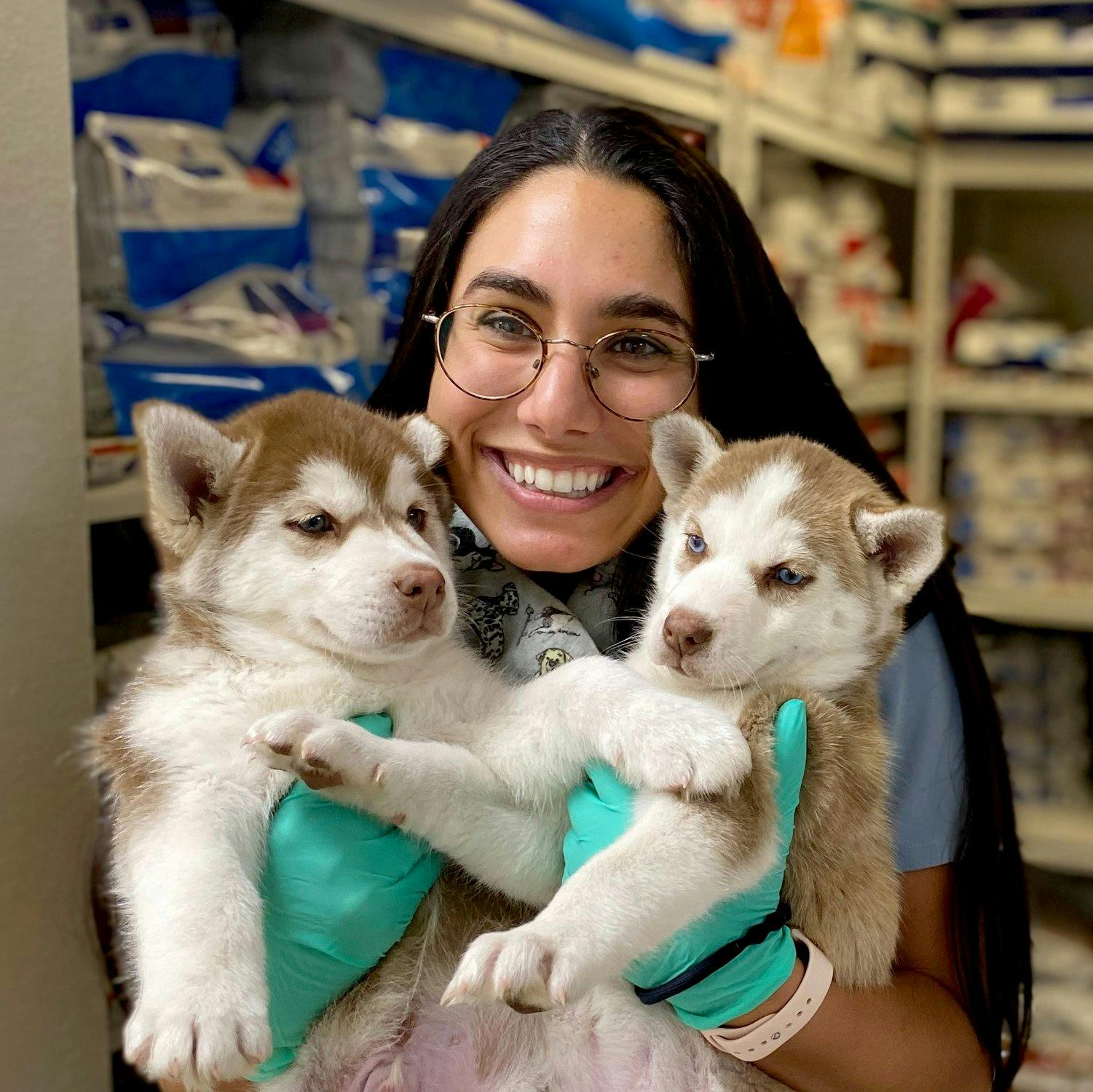

Did you know dogs and cats are not born with any visible teeth? Their first set of teeth (deciduous or milk teeth) begin to emerge (erupt) between two to four weeks of age. Puppies grow 28 baby teeth, while kittens have 26.
Sometimes, these baby teeth, also called persistent or retained deciduous teeth, don’t fall out as they should and may require veterinary attention.
Key Takeaways
- Puppies and kittens lose their baby teeth around 12 weeks, with adult teeth emerging by 6 months.
- Retained baby teeth can cause misalignment and gum issues.
- Signs of retained teeth include double rows of teeth, bad breath, and difficulty chewing. Early removal of retained teeth, often during spaying/neutering, prevents complications.
- Dental chew toys can soothe teething pain, but consult your vet for safe options.
- Pet insurance plans may cover dental care, making treatments more affordable.
Looking to save on vet bills? See if pet insurance is right for you.
Instant results. No spam. 1M+ pet parents served.

This article will delve into retained deciduous teeth in pets, exploring their causes, potential issues requiring treatment options, pet insurance, and more.
✔️ Reviewed by multiple licensed veterinarians
✔️ Updated with the latest medical data
✔️ Compiled from veterinary research
Puppy and kitten teething 101
When do dogs lose baby teeth?
Your dog’s puppy teeth begin to exfoliate, or shed, at around 12 weeks, and by six months old, all deciduous teeth should have fallen out.
When do kittens lose their teeth?
Similarly, baby cat teeth start shedding around 12 weeks, and their adult incisors start to emerge at 3.5 - 4 months.
Baby teeth are smaller and sharper than permanent teeth, and in cats, they can even appear more translucent.
What happens during teething?
Your pup or kitten might drool, eat less, and feel cranky due to a sore mouth during teething. They’ll also have a strong urge to chew, you might find baby teeth around the house, in their bedding, and they might accidentally swallow them—don’t worry, it’s completely harmless.
Puppy breath and kitten breath are also normal during teething and usually disappear after they're done.

Dog and cat teeth red flags
But what if your puppy or kitty does not lose their baby teeth?
Here are the signs of retained deciduous teeth:
- Malocclusion, which is caused by misaligned teeth, leads to a poor bite and discomfort.
- Food can get trapped among the retained deciduous teeth, permanent teeth, and gingiva (gums), leading to periodontal disease.
- Periodontal disease can cause bleeding gums, decreased appetite, bad breath, teeth falling off, and more harmful consequences.
- These teeth also predispose animals to future dental problems.
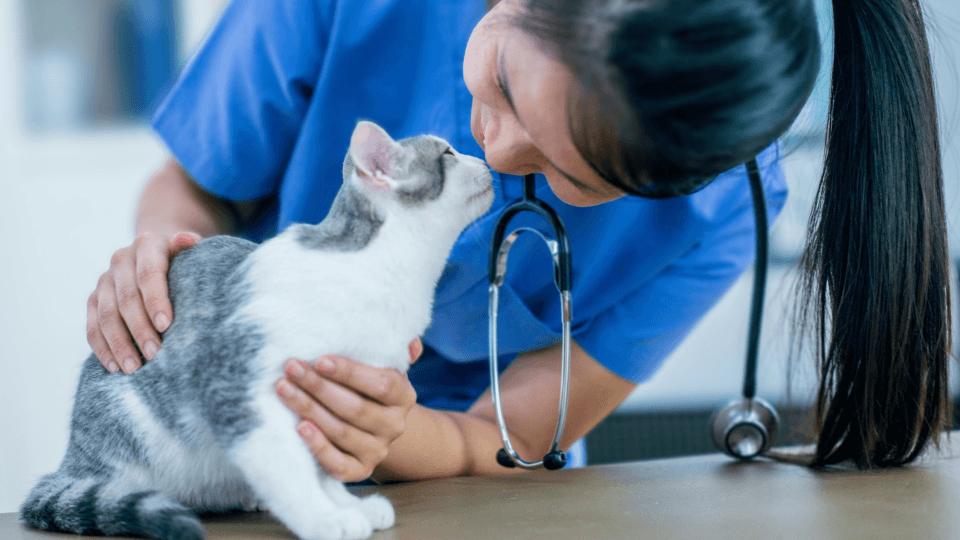
As soon as you notice signs of pain in your pet’s teeth, or if baby teeth are still present at 6 months, the retained deciduous teeth might not fall out on their own. Or if certain teeth don't erupt by 6-12 months, they might be stuck under the gingival line and need dental radiographs. It's important to visit your veterinarian right away.
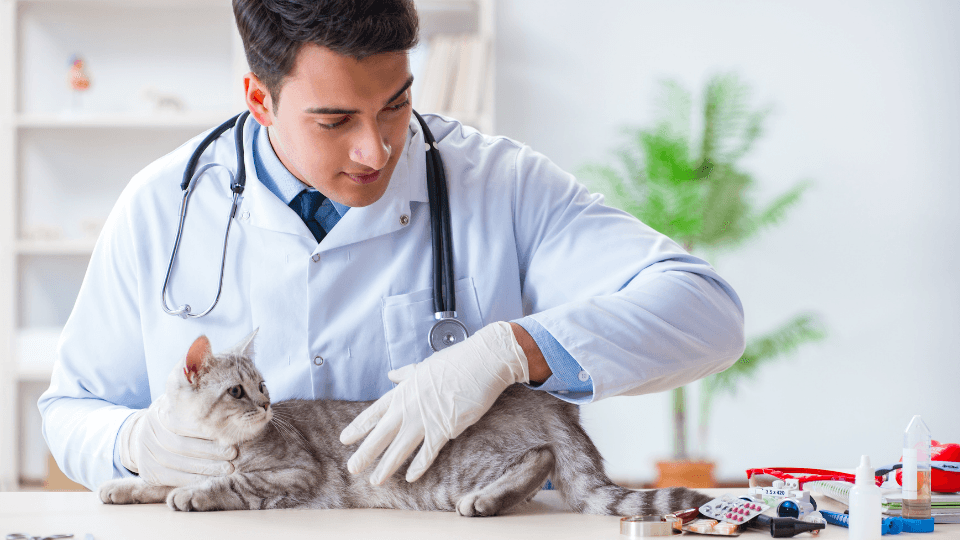
The vet may perform a dental examination and, if necessary, take dental X-rays to get a clearer view.
Keep in mind that the cost of dental X-rays for dogs can vary, but these X-rays allow the vet to assess the tooth's root, check if it’s dissolving, and evaluate how it’s positioned relative to the permanent teeth.
Routine dental cleanings are also essential to prevent minor troubles from escalating into more serious health risks and costly procedures. So, invest in pet insurance to help protect both your new furry friends and your budget.
What are the treatment options?
Retained deciduous teeth should be removed as soon as possible to prevent further issues. When addressed early, the procedure is simple and can often be done during neutering or spaying.
Unfortunately, you cannot prevent retained deciduous teeth, as it is a genetic trait.
However, chew toys, specifically dental chew toys, can help your pets transition from baby to adult teeth. Giving them chew toys soothes puppies and kittens’ sore gums and general discomfort from teething, along with promoting good dental health.
Kittens cannot have hard chew toys as they could damage their teeth, but dogs can. Get your dog toys made of nylon or hard rubber.
Additional dog and cat dental care tips include:
- Brushing their teeth with dog and cat toothbrushes and toothpaste
- Add dental powders to their food or water additives to their water bowl
- Give them dental treats or prescription dental food
Consult your vet before giving them toys and dental-specific food and supplements.
Which pet insurance companies cover dental treatments?
Remember, before you need any treatments, make sure to get pet dental insurance, as dental treatments at the vet can be very expensive.
Fortunately, Pawlicy Advisor partners with top pet insurance providers who provide top-of-the-line plans, including:
FAQ: Retained Deciduous teeth in Dogs and Cats
What are retained deciduous teeth?
These are baby (deciduous) teeth that don’t fall out when your pet’s adult teeth come in. They’re also called persistent deciduous teeth.
How can I tell if my pet has retained baby teeth?
Look for double rows of teeth, especially in the front of the mouth. You may also notice bad breath, difficulty chewing, or signs of discomfort. A vet can confirm with an exam or X-rays.
Is it dangerous if baby teeth don’t fall out?
Yes, retained teeth can cause problems like misaligned bites (malocclusion), overcrowding, and gum disease. Left untreated, they can lead to more serious dental issues.
When should retained teeth be removed?
Ideally, as soon as they’re identified, often during spaying or neutering. Early removal can prevent complications down the road.
Can chew toys help loosen baby teeth?
They can help relieve teething discomfort and may assist in the natural shedding of teeth, especially in dogs. Always choose pet-safe toys and consult your vet before introducing anything new.
Is it possible to prevent retained deciduous teeth?
Unfortunately, no. It’s a genetic issue, but early vet visits and monitoring can catch it before it becomes a problem.
Does pet insurance cover the removal of retained teeth?
Some pet insurance plans do, especially if the issue leads to medical complications. It's important to get coverage early—before your pet shows symptoms—since most policies won’t cover pre-existing conditions. Pawlicy Advisor can help you compare plans that include dental coverage.
Looking to save on vet bills? See which pet insurance is right for you.
Instant results. 1M+ pet parents served.
⭐⭐⭐⭐⭐ 4.9 stars across hundreds of reviews.
See which pet insurance is right for your best friend.
Small Animal Relief Veterinarian
Lila Batiari, DVM is a relief veterinarian located in San Diego, California. She has a special interest in nutrition, pain management, and surgery! Dr. Batiari enjoys working with Pawlicy Advisor to help others avoid everyday situations that some of her clientele experience. She realizes that expensive vet bills for treatment costs could be much easier for patients with pet insurance.
Do you want to find the best pet insurance?
Let's analyze your pet's breed, age, and location to find the right coverage and the best savings. Ready?
Analyze My PetAbout Pawlicy Advisor
Recommended by the American Animal Hospital Association and veterinarians nationwide, Pawlicy Advisor makes buying the best pet insurance easier. We compare top brands and match you to the right protection at a great price. Our free service has helped over 1 million happy pet owners.
More on Dog Health Conditions


More on Cat Health Conditions


Guides
When Pet Insurance Is Worth It