
Are pistachios good for dogs? The answer is: it depends. While these green nuts are ultimately not toxic to dogs and even offer certain health benefits, they’re also high in fat which could make your furry pal quite sick if they have pistachios in large quantities.
Pro tip: Many dogs have a tendency to eat everything in sight, making it difficult and very expensive for their owners to keep them healthy. By having pet insurance, you can focus more on your pup’s health and less on the cost of veterinary care.
So, Why Shouldn’t Dogs Eat Pistachios?
Pistachio nuts contain many important vitamins and minerals that are beneficial for dogs, such as vitamin B6, which helps the absorption of protein and fat and the synthesis of protein, thiamine which is important for brain function and proper growth in dogs, and manganese which helps to extract and digest carbohydrates and protein.
They’re also a good source of calcium, iron, zinc, vitamin E, vitamin K, phosphorus, folate, and contain high levels of dietary fiber, protein, and fat. This makes these green nuts a dietary powerhouse, so why can’t dogs eat pistachios?
Fats
First of all, pistachios, like any other nuts, are quite high in fat and calories. Now, even though fat isn’t necessarily a bad thing, too much of it can lead to obesity or contribute to pancreatitis in dogs. Signs of pancreatitis include:
- Dehydration
- Heart arrhythmias
- Diarrhea
- Vomiting
- Lack of appetite
- Difficulty breathing
- Weight loss
- Fever
- Lethargy
- Swollen abdomen
- Severe abdominal pain
- Weakness
Salt
Pistachios that we snack on usually contain salt or other seasonings. Too much salt can cause diarrhea, vomiting, lethargy, excessive thirst, and tremors. It can also increase fluid retention in your furry companion and harm their kidneys. This can be especially dangerous for pups with heart conditions.
High Phosphorus Content
The high phosphorus content in nuts can increase the likelihood of forming bladder stones.
Choking Hazard
Pups don’t always chew their food and tend to swallow it whole. This makes pistachios a choking hazard due to the nuts’ shape and size, as well as their hardness. Pistachios are often sold in their shell, which can easily break into sharp or jagged pieces that might puncture the esophagus or other parts of the gastrointestinal tract.
Pistachio Poisoning
The most harmful component found in nuts is aflatoxin, a compound produced by the Aspergillus mold. Canines are especially susceptible to these toxins produced by certain fungi found on agricultural crops like cottonseed, peanuts, corn, and tree nuts (including pistachios). The symptoms of pistachio poisoning caused by aflatoxin in dogs include:
- Loss of appetite
- Vomiting
- Orange-colored urine
- Lethargy
- Jaundice
- Liver failure
Pistachios also contain urushiol, a chemical also found in poison ivy. Urushiol causes allergic reactions in dogs, especially around their mouths and on their faces.
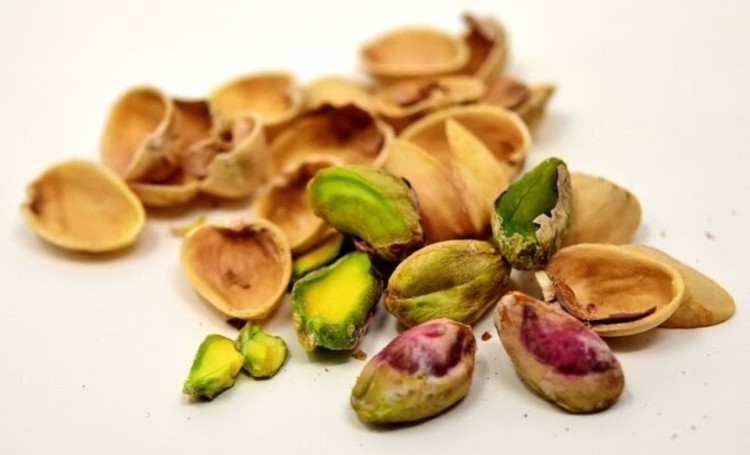 Image source: Rover
What to Do If Your Dog Eats Pistachios?
So, what if your pooch has eaten pistachios? Should you take them to the vet? It depends on how old the nuts were, whether they were shelled, and how much they ate.
For example, if you have a small breed dog, even a single pistachio might lead to blocked intestines. If your four-legged friend is bigger and ate a whole bag of shelled pistachios, you should watch for signs of aflatoxin poisoning.
If your pooch exhibits the above-listed symptoms, make sure to take them to the vet right away.
Typically, the vet will get a history of previous illnesses and ask you what foods your pup had access to recently. Then, they will likely perform a general physical examination and complete bloodwork. Vomitus, urine, and stools will also be tested to confirm the presence of toxins like aflatoxin or another underlying condition.
If your furry pal exhibits additional symptoms, such as showing signs of dehydration or damage to the esophagus, an ultrasound of the chest and throat area or an x-ray might be recommended. Ultrasound of the abdomen is also an option in order to check for fluid accumulation in this area or enlargement of the pancreas.
The treatment will depend on how affected your pup is. Medications such as antibiotics, stomach and liver protectants, as well as pain management drugs can be prescribed to alleviate the symptoms. Supportive treatment including IV fluids can also be given to treat immediate symptoms like dehydration. Because aflatoxin poisoning carries a serious risk of liver damage, vitamin K and hepatoprotectives treatments are often recommended.
If your pooch is vomiting severely or persistently, it might be a symptom of pancreatitis. This condition can be life threatening. Our vet might recommend a period of withholding food by mouth for up to several days in order to allow the pancreas swelling to go down. If the pet is able to eat on its own, it will most likely be put on a low-fat, low-protein, high-fiber diet to speed up healing. In addition, supplements of pancreatic enzymes might also be given to relieve abdominal pain, but they’re unlikely to change the overall course of the disease. If your pet is not able to hold food down or does not want to eat, your vet may need to hospitalize them to give them fluids and other supportive medications.
Pro tip: If your pooch develops a health condition because of a poor diet, they might need more visits to the vet and special food. Vet treatment and medication for serious illnesses can be extremely expensive, and having pet insurance can save you from having to fund any unforeseen expenses.
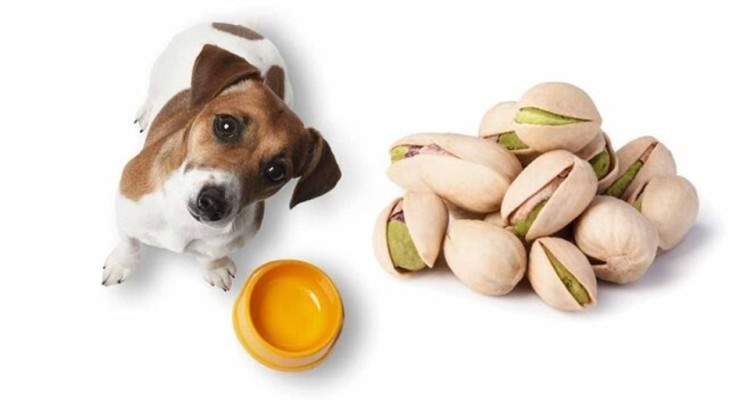 Image source: The Labrador Site
Other Dangerous Nuts to Avoid
As mentioned earlier, there are other kinds of nuts you should avoid feeding your pooch. One of them are macadamia nuts which could cause severe lethargy, fever, joint stiffness, muscle tremors, vomiting, as well as muscle and nerve damage.
Black walnuts and pecans are also on the ‘naughty list’. These nuts contain juglone, a toxin that causes gastric distress in dogs.
Remember that whenever you are making a decision about your dog’s diet, you should consult your vet first. When you’re introducing new food to your pet, keep an eye on them for any signs of illness or distress. Just like humans, dogs can have intolerances or be allergic to some ingredients, or certain foods simply might not agree with your canine companion.
Final Thoughts
Feeding your four-legged companion pistachios from time to time and in small amounts isn’t harmful. However, giving a big number of pistachios or other nuts could result in an upset stomach, weight gain, and other more serious health problems.
If your furry pal already has pancreatitis or is overweight, high-fat foods like pistachios should be avoided. Always make sure the pistachios are shelled and unsalted before giving them to your pooch. Pistachios can be mixed into your pup’s normal food or offered as treats, but they shouldn’t make up a significant portion of their diet.